The Lord is my shepherd; I shall not want
My writing with Jesus Christ

![Book 3 description - Funerary Beliefs and Practices of the Betsimisaraka of Madagascar, Relative to the Christian Tradition [pl]](/assets/img/books/normal/3.jpg)
Funerary Beliefs and Practices of the Betsimisaraka of Madagascar, Relative to the Christian Tradition [pl]
Father Josef Niesyto, dr hab.
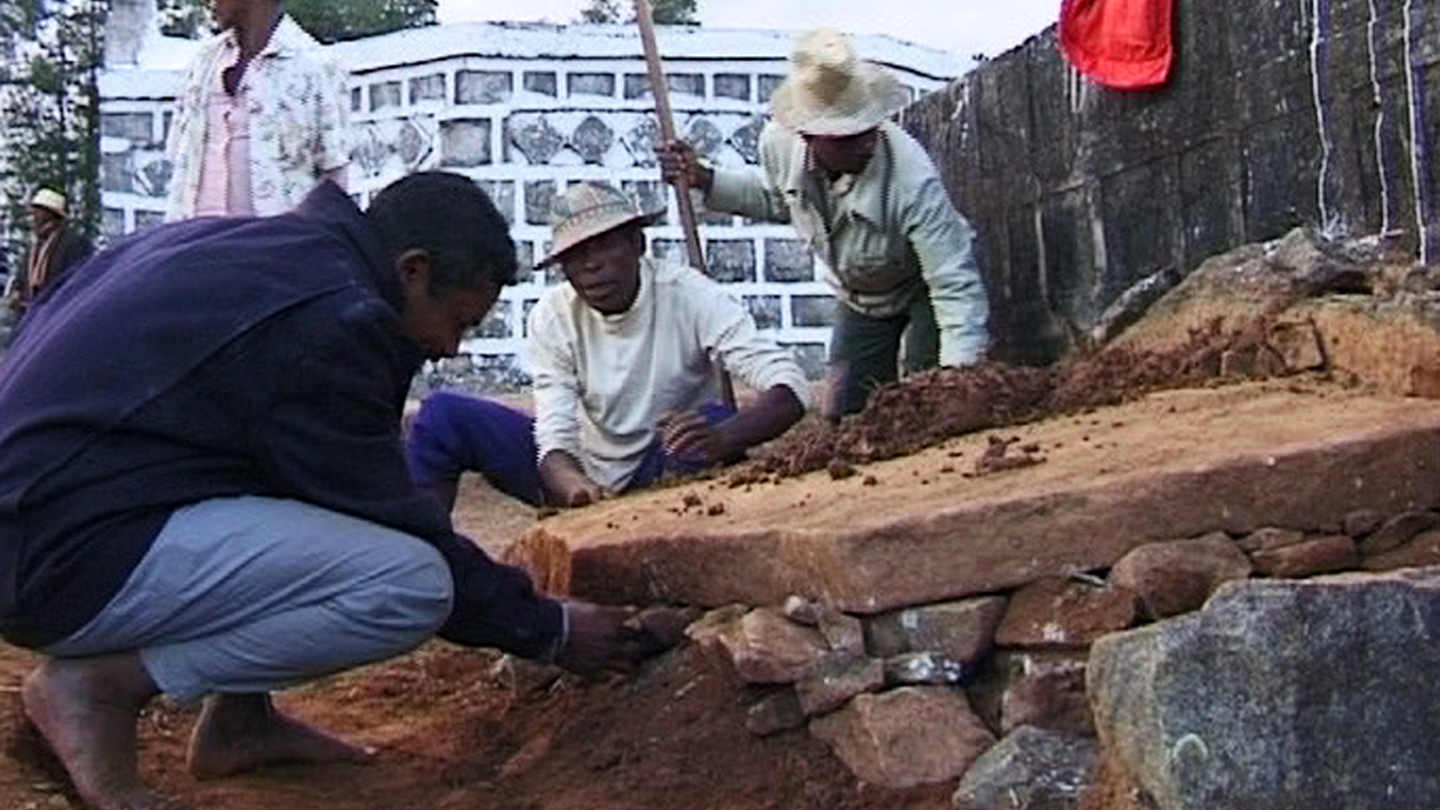
Among the Betsimisaraka, the permanent interment of the dead is considered to have been completed only at the end of a three stage process. The first stage begins with the death of the deceased. According to custom, the body is entombed temporarily. This phase is provisional and can last from a year to as long as it takes for the family to be reasonably ensured that the decomposition of the body is nearly complete. The remains are then removed from their temporary resting place and cleansed of any residual worldly material, that is, flesh on bone, jewellery, gold teeth, etc. Only at the termination of this practice can the skeletal remains be rewound in a canvas shroud and returned to the family tomb. This ceremony is followed by a ZEBU, the sacrifice of a bull that is offered to the ancestors in order that the deceased find favour with them. The occasion calls for alcohol to be consumed and spilled on the ground surrounding the tomb. From that moment on, the deceased is remembered and honoured at all family celebrations. The third phase begins when the memory of the deceased is considered dissolved. The deceased is then thought of as having been absorbed by Zanahary. This means that the spirit of the deceased (the immortal component of his being throughout his earthly journey) has returned to its point of origin, that is, God the Creator.
The dead person then becomes acquainted with a new reality. In classical anthropology, this new reality is believed to be a transition, a state of suspension in which the deceased has not yet completely crossed over into an incorporeal reality after being removed from among the living. Remaining in this transitory state between earthly existence and ethereal life after death, the deceased person becomes a source of energy which can be potentially dangerous to the living and a cause of chaos in the spiritual world. Death, of course, puts an end to the unity of body and soul. But in relation to the body, the status of the soul in undefined, and this lack of delineation between the soul and the earthly existence increases tension and uncertainty within the immediate family. This precariousness gives rise to the observation of traditional customary rules and customs that govern precisely how the body is to be prepared for burial.
Contravention of these rules can disturb the peace of the deceased and compromise the security of the living. Some customary practices aim at protecting the body against vampirism. Anthropological studies record such practices as marking the definite exclusion of the dead person from the community of the living. Other pre-funeral practices such as the recitation of prayers and night vigils, serve the purpose of helping the dead person gain admittance to the supernatural world. In Catholic terms, as exhibited in prayers of the funeral liturgy, the human soul is consigned to the safekeeping of the dearly departed who are “saved”. In Malagasy funerary ceremonies, motifs of exclusion of the dead from the worldly experience and that of their initiation into the reality of eternal life after death, are very noticeable.
For the Malagasy, the final stage of the long process leading to the definite separation between the world of the living and that of the dead comes about as the result of a careful and faithful observance of post-funerary rituals in their various forms. Death is always considered transitory. Being in the land of the dead is a continuation of earthly existence.
This chapter has dealt in some detail with the different stages of the traditional Malagasy funeral. The first of these involves the proper preparation of the body and its placement in a room suitable for a vigil. (In Catholic communities, vigils are held in an atmosphere of prayerful observance.) All indigenous ceremonies, including the vigil, play an important role in strengthening interpersonal relationship and the solidarity of the clan. The vigil’s purpose is to be of assistance to the family and to “see the deceased across” to the land of the ancestors. (Prayers and religious hymns are very much a vital part in the case of a domestic Christian vigil. Subsequent observance for Christians includes liturgical prayers of the Church, a funeral procession and the celebration of Holy Mass.) According to clan members, a vigil can last for two or three days. It is followed by a procession which culminates in the deposition of the body in the family tomb. The entire panoply of Malagasy funerary customs is relatively rich and distinct. An especially distinguishing feature is the singular concern for the fate of the departed. Another distinctive feature if the care taken and the time spent in finding a proper and final resting place for the body of the deceased.
Titre de livre
Tradycyjne wierzenia i rytuały funeralne plemienia Betsimisaraka a tradycja chrześcijańska
Book 1. Meditations for the Road vol. 1 [fr]
Book 2. Meditations for the Road vol. 2 [fr]
Book 3. Funerary Beliefs and Practices of the Betsimisaraka of Madagascar, Relative to the Christian Tradition [pl], description [en]
Book 4. Anthropological And Theological Bases For Traditional Madagascan Eschatological Concepts [pl], description [en]
Book 5. The Mysteries Surrounding Death Among the Betsimisaraka in Light of the Christian Tradition [pl], description [en]
Book 6. Malgasy Tombs [pl], description [fr]
Book 7. Living For Others and Among Others [pl], description [pl]
Book 8. In Betsimisaraka Country [pl], description [pl]
Book 9. He sends them forth to preach the Gospel [pl]
Book 10. Customs, Ceremonies and Funeral Practices Among the Betsimisaraka of Madagascar [pl], description [en]
Book 11. God in the Bedroom [fr], description [pl]
Book 12. Tenin'ny Fiainana vol. 1 [mg]
Book 13. Tenin'ny Fiainana vol. 2 [mg]
Book 14. Tenin'ny Fiainana vol. 3 [mg]
Book 15. Christian view on exhumation and Zebu sacrifice at Betsimisaraka tribe in Madagascar [pl], description [fr]
Book 16. Bokim - Pivavahana [mg]
Book 17. Exhumation. Scrolling corpses in the tribe Betsileo in Madagascar [pl], description [fr]
Book 18. Challenges And Achievements: Real Life Of Canadian First Nations [pl], description [pl]